Easy household habits for little water savers
In this article
- Ways to help your kids save water at home
- Ideas to build waterwise habits into everyday routines
Saving water doesn’t have to feel like a chore. With a few small habits woven into your family’s daily routine, your kids or grandkids can help save bucketloads of water without even realising it – and have fun at the same time. These ideas turn simple tasks into waterwise wins for the whole home.
Here are easy ways to get started.
1. Make shower time fun with a shower song
Shorter showers help WA save bucketloads every year. Choose a song from our waterwise shower playlist and see who can hop out before the music ends.
Every song is under four minutes, which helps keep showers short and water use low.
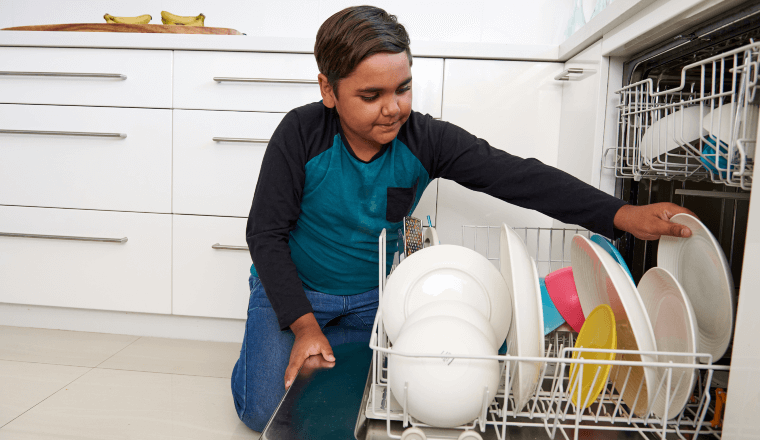
2. Wait until the dishwasher is full
Ask your kids to help clear the table each night, but only press start when the dishwasher is full.
Running a full load saves water and electricity, which is an easy win for the whole family.
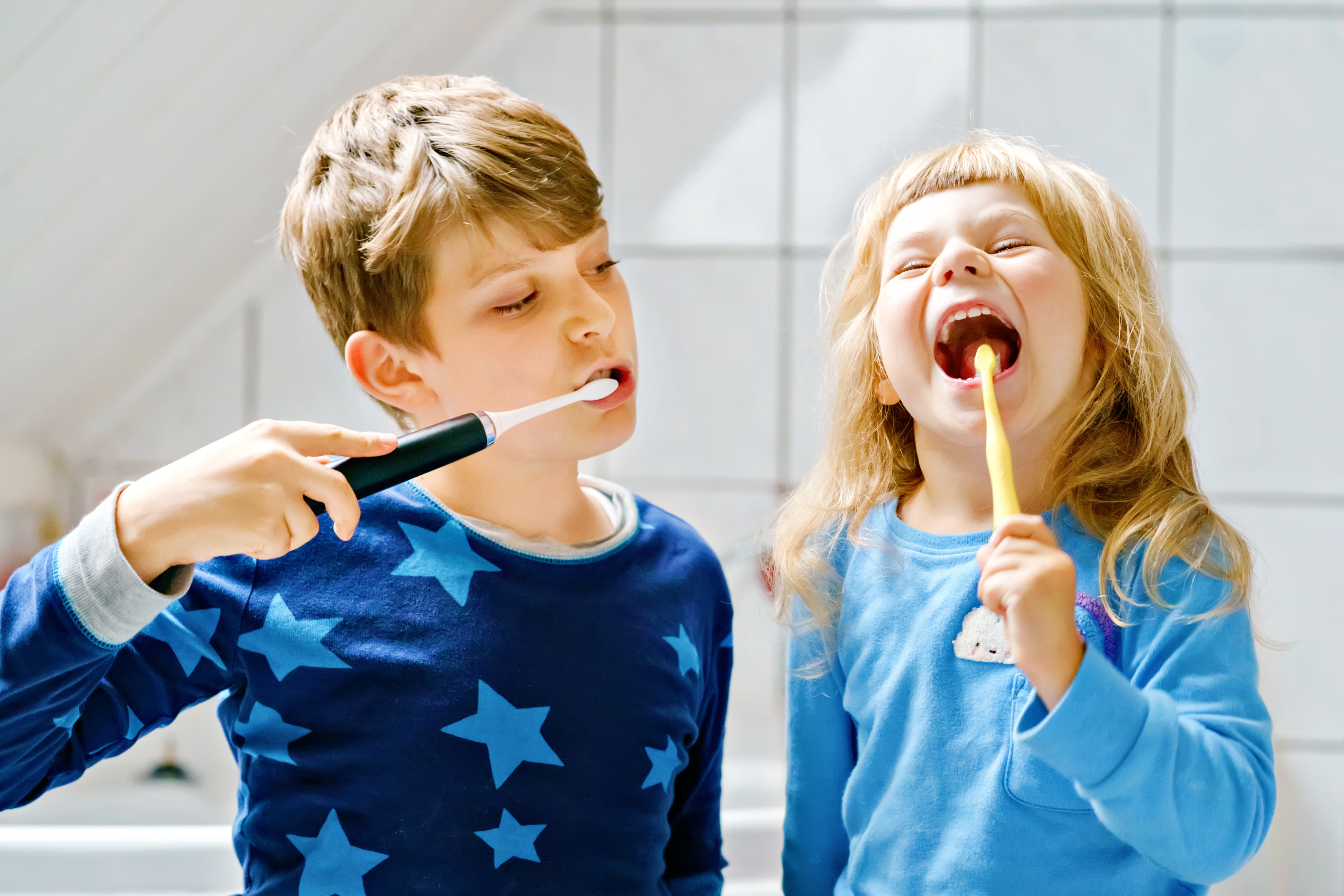
3. Turn the tap off while brushing teeth
Kids can save up to 10 litres of water every minute simply by turning the tap off while brushing.
Wet the toothbrush, turn the tap off, brush, then rinse. This tiny habit saves bucketloads over a week and even more over a year.
For younger kids, turn it into a challenge:
“How many seconds can you brush with the tap off?”
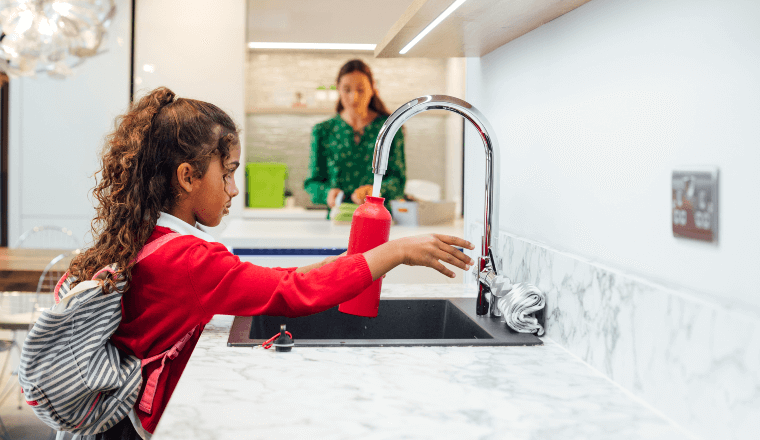
4. Keep cold water in the fridge
Show your kids how to fill a reusable water bottle each night and pop it in the fridge.
This stops them running the tap until the water turns cold, a habit that can waste bucketloads without anyone noticing.
5. Reuse fish tank water on your plants
When cleaning out the fish tank, let your kids carry the watering can and choose which plants get the nutrient‑rich water.
This teaches them that water can be used more than once and helps your garden save bucketloads too.
Learn more about waterwise gardening
Key takeaways
- Small habits can make a big difference to your water use
- Kids learn quickly when tasks are fun and easy
- Many everyday chores have a simple, waterwise alternative
- Building awareness early helps shape lifelong waterwise behaviour