More than 700 Karratha students dive into waterwise learning
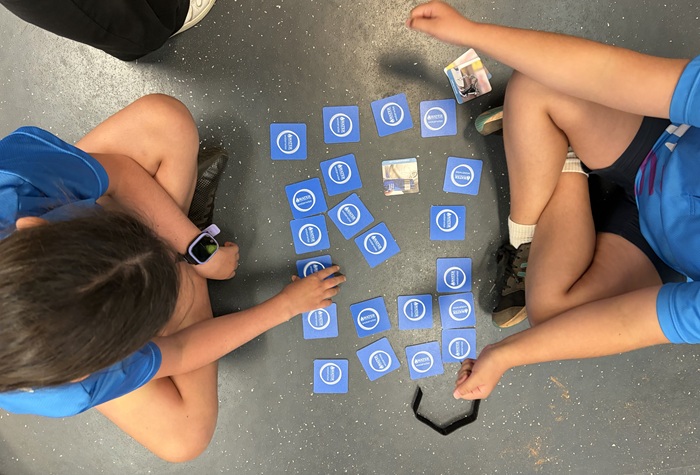
More than 700 Karratha students got hands-on with water last week - learning where it comes from, why it matters, and how to use it wisely - as Water Corporation returned to the region with its popular waterwise education sessions.
Students from St Pauls, Millars Well and Tambrey Primary Schools took part in interactive, curriculum-aligned sessions tailored to their year group. Topics ranged from the region’s unique climate, varying water sources and practical conservation habits they can take home.
Water Corporation North West Regional Manager Sharon Broad said the sessions were about helping young people understand the role they play in the region’s water future.
"The Pilbara is a special place with a unique water story, and we want young people here to know and own that story," Ms Broad said.
“These sessions spark curiosity and help kids understand where their water comes from and why it matters. When children understand that, they take it home, and that’s how lasting change happens.”
The sessions reinforced the importance of being waterwise amid changing rainfall patterns across the West Pilbara.
Inflows to Harding Dam - the region's primary drinking water supply - have fallen by around 80 per cent over the past 30 years, as the region becomes hotter and relies on fewer cyclones to refill dams and recharge groundwater.
Recent cyclone rainfall has helped restore dam levels, but this followed four years of little to no recharge, during which Harding dropped to its lowest level in decades. While groundwater sources at Millstream did not receive the same recharge and remain under pressure.
"WA faces water supply challenges unlike almost anywhere else in this country, and in the West Pilbara they’re happening now," Ms Broad said.
“That’s why programs like this matter. The earlier we equip young people to make informed, sustainable decisions about water, the better.”
The sessions are part of Water Corporation’s broader work to improve water literacy and support long-term demand management and sustainable water use in the region.
“We all have a role to play in securing our water future,” Ms Broad said.
“That includes our youngest community members. By building knowledge and curiosity early, we’re helping create a generation of waterwise West Australians.”